
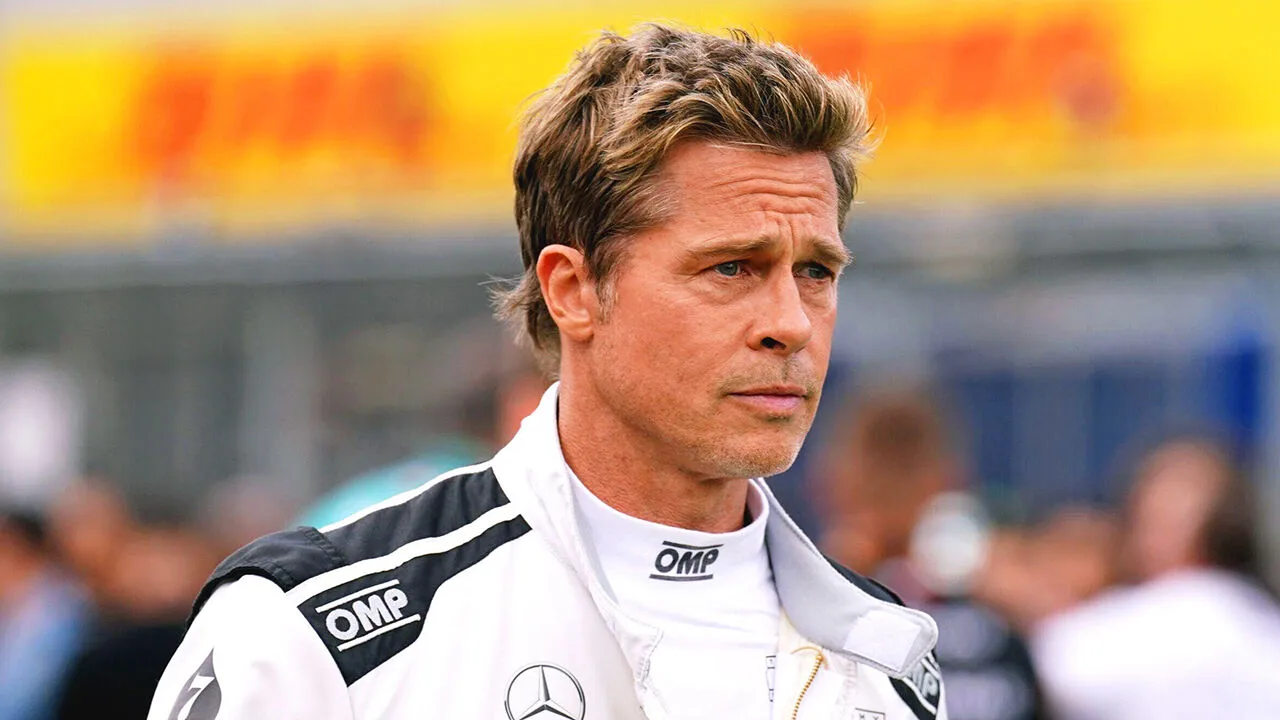

Who would have predicted that a film centered on formula 1 could storm into cinemas and capture widespread attention? F1: the movie has accelerated onto screens, overturning expectations for what defines a summer blockbuster. With its powerful mix of high-speed action, star-studded performances, and a compelling racing drama, theater audiences are returning again and again. The excitement surrounding this release feels electric—every screening buzzes with energy, leaving viewers discussing the experience long after the credits finish rolling.
Initially, few anticipated that F1: the movie would make such an impact, but its sheer dynamism has secured its status as the crowd-pleaser of the season. Whether following headlines or simply seeking cinematic thrills, many find themselves drawn in by the spectacle and emotion woven into every lap.
What makes f1: the movie such a box office success?
By blending cinematic flair with authentic motorsport excitement, f1: the movie distinguishes itself from other summer releases. Unlike previous racing films, this project delivers far more than just visual spectacle.
A key factor driving its momentum at the box office is the meticulous attention to detail—from inspired casting choices to those pulse-pounding, tire-screeching sequences. Its blend of familiar faces and adrenaline-charged direction results in an unforgettable viewing experience.
The impact of brad pitt in a leading role
When brad pitt joined f1: the movie, expectations soared. Bringing genuine curiosity and intensity to the world of formula 1, his performance adds depth and authenticity to a genre often constrained by stereotypes. Rather than overshadowing the story, Pitt invites viewers into the heart of the racing drama, infusing scenes with humanity amid roaring engines and split-second decisions.
Audiences frequently cite him as a major reason for the film’s swift ascent up the summer blockbuster charts. Those unfamiliar with formula 1 are charmed by his presence, while dedicated fans appreciate the emotional weight he brings.
Why the high-speed action resonates with audiences
While Hollywood is no stranger to intense car chases, the driving sequences in f1: the movie offer something exceptional. Directors went above and beyond to capture the edge-of-the-seat tension and lightning-fast reflexes required in formula 1. As cameras sweep through chicanes and rocket down straightaways, the audience experiences the G-forces and the pressure inside the helmets.
The crowd-pleaser appeal intensifies each time tires squeal around corners or rivals duel at breakneck speeds. These expertly choreographed moments combine realism and spectacle—a crucial reason the film continues filling theaters week after week.
How does f1: the movie compare to past blockbusters?
Competing with legendary action hits is no easy task, especially in an era crowded with superhero sagas and CGI extravaganzas. Yet, f1: the movie manages to invite comparisons with some of Hollywood’s most iconic titles—sparking discussions about its Top Gun comparison.
That same blend of danger, charisma, and relentless excitement propels both films, drawing viewers into worlds they might never otherwise explore. Still, there are important distinctions worth noting.
Top gun comparison: iconic legacy vs. modern thrills
Any fan of exhilarating blockbusters knows the place of classic aviation films in cinema history. When f1: the movie premiered, debates quickly arose over whether its combination of speed and character-driven storytelling could rival what Top Gun achieved decades ago. The new film swaps fighter jets for race cars but delivers equal measures of rivalry, confidence, and bravado.
This fresh take attracts a new generation of viewers, honoring the past while speeding boldly into the present. For many, it feels like witnessing the rise of another essential franchise.
Pushing boundaries with stunning racing sequences
In contrast to older blockbusters that rely heavily on special effects, f1: the movie embraces practical stunts and carefully orchestrated track sequences. Professional drivers and engineers worked closely with the filmmakers, elevating these scenes far beyond ordinary car chases.
This commitment not only pays tribute to real-life motorsport but also showcases a level of high-speed action rarely seen outside actual formula 1 events. Audiences get an up-close look at pit stops, tense garage moments, and dramatic overtakes, making each race as suspenseful as live competition.
Behind the scenes: bringing formula 1 to life on screen
Translating the thrill of formula 1 racing for the big screen is no simple feat—it requires technical expertise, thorough research, and seamless teamwork. Authenticity forms the backbone of f1: the movie, offering viewers a true glimpse behind the curtain of this elite sport.
Capturing these details sets the film apart from others that treat racing as mere background noise. Every element—from helmet graphics to team rituals—feels rooted in the world that formula 1 fans recognize and love.
- Filming at real-world race tracks heightened the sense of realism.
- Expert race engineers ensured mechanical accuracy throughout production.
- Actors completed intensive driver training before shooting began.
- Sound designers studied engine notes from various eras of formula 1.
Each decision reinforces the film’s authenticity, immersing audiences in the palpable tension of race day.
While the cast and crew dedicated months to preparation, their hard work is rewarded every time applause erupts during another breathtaking lap.
Audience reaction: what draws crowds to theaters?
Word spread rapidly as audiences raved about f1: the movie. Ticket sales soared once early reviews praised the ambitious chase scenes and tightly constructed storylines. Theater owners continue reporting sold-out shows as groups gather for the communal excitement.
But what exactly is convincing so many to flock to theaters for this unexpected sensation?
The universal appeal of the underdog story
One consistent theme in feedback centers on relatable characters striving toward seemingly unattainable goals. The underdog journey remains universally compelling, regardless of setting. Here, racers evolve, struggle, and defy overwhelming odds—all against the vivid backdrop of sun-drenched tracks and echoing grandstands.
Viewers witness not only raw skill, but also determination and resilience tested by fierce competition. Even those less acquainted with sports or formula 1 end up passionately cheering for these onscreen heroes.
Epic visuals and soundscapes ramp up immersion
Every aspect of the film’s presentation is designed to immerse viewers in the high-pressure world of international racing. Sweeping shots span circuits across Europe, Asia, and North America. Dynamic camera angles plunge viewers into cockpit chaos mid-race, letting them feel the adrenaline rush of speed enthusiasts on the verge of triumph or disaster.
At the same time, surround sound layers the thunderous roar of engines with subtle cues like spinning gravel and pit lane shouts. Combined with striking cinematography and a soaring musical score, the result transports audiences—not just watching a film, but experiencing a sporting showdown on an epic scale.
Why f1: the movie stands out among summer movies
Despite a crowded slate of releases, f1: the movie has dominated headlines and ticket sales. It breaks the mold of conventional racing dramas by fusing standout performances, gripping suspense, and honest portrayals of what makes formula 1 so beloved.
From nuanced storytelling to cutting-edge visuals, every moment pulses with the sort of thrilling excitement typically reserved for championship races. This winning formula appeals to devoted fans and curious newcomers alike.
Ultimately, f1: the movie has redefined what a successful summer blockbuster can be. Today’s audiences seek originality, ambition, and unmistakable passion—all found in abundance here.
As buzz continues and box office numbers remain robust, one thing is clear: few expected a racing drama to lead the pack, but now, it sets the standard for everything that follows.
